Post-Renovation Dust and Window Cleaning Guide for Your Historic Home
Completing a gut renovation is an incredible milestone. After months of planning, navigating complex building codes, and waiting for approvals, seeing your vision come to life is thrilling. However, when the heavy machinery rolls out and the crew packs up, you are often left with a less glamorous reality: a thick layer of fine construction dust covering every square inch of your newly finished space. If you are renovating in NYC, you already know that the logistical challenges of a project don't end when the hammering stops.
At LE PRD, we understand that a project isn't truly finished until the home is pristine and ready for you to enjoy. Dealing with the aftermath of a major remodel requires just as much care and attention to detail as the construction itself, particularly when dealing with historic properties. This guide will walk you through the essential steps of tackling post-construction dust, ensuring your home’s architectural details shine exactly as intended.
The Challenge of Drywall and Plaster Dust
Older pre-war renovations often involve extensive demolition, plaster repair, and drywall installation. The resulting dust is notoriously insidious. Unlike standard household dust, construction dust is incredibly fine and easily becomes airborne at the slightest breeze. It settles on walls, gets trapped in newly installed HVAC vents, and coats your beautiful new parlor floor.
One of the most common concerns homeowners have is removing drywall dust after home renovation without damaging their new finishes. Simply wiping surfaces with a wet cloth is often a mistake; the moisture mixes with the fine gypsum powder, creating a stubborn, muddy paste that can stain porous materials and streak freshly painted walls.
The most effective approach starts dry. High-efficiency particulate air (HEPA) vacuums are absolutely essential for capturing these microscopic particles so they aren’t simply blown back into the room. We recommend a systematic top-to-bottom approach: vacuuming ceilings, walls, light fixtures, and finally the floors. Because debris removal and staging in congested urban neighborhoods can be a logistical nightmare, managing the dust internally before it tracks out into the hallway or onto the street is a critical part of a professional cleanup process.
Clearing the View: Post-Renovation Glass Care
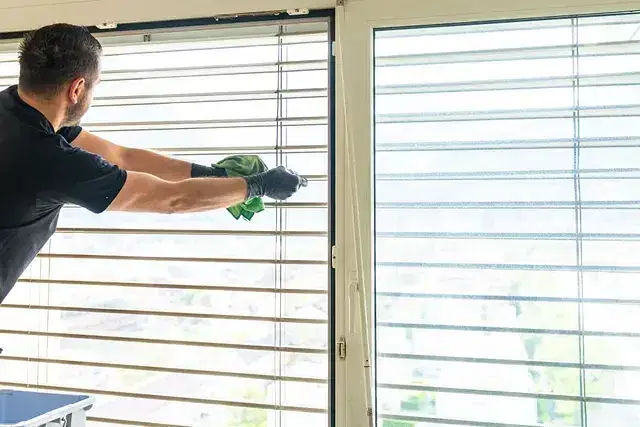
Windows take a significant beating during construction. Even when properly masked and protected, glass surfaces inevitably attract a film of dust, stray paint splatter, and adhesive residue from protective tapes. Figuring out how to clean construction dust from windows safely is vital, as modern energy-efficient glass and historic panes are both susceptible to scratching if handled improperly.
Before any liquid touches the glass, the loose dust must be carefully vacuumed away from the sills, tracks, and the glass surface itself. Once the loose debris is gone, a specialized glass scraping tool—used only by experienced professionals—can gently lift away paint flecks and adhesive without gouging the glass.
For a truly streak-free finish, you need comprehensive interior & exterior window cleaning. The exterior is just as important as the interior, as dust often billows out and settles on the outside ledges and glass during demolition. Our dedicated window cleaning techniques utilize professional-grade squeegees and eco-friendly solutions that cut through the stubborn construction grime, restoring the crystal-clear view you expect.
Protecting Historic Exteriors and Entryways
It is easy to focus entirely on the interior of the home, but the exterior entryways bear the brunt of foot traffic during a major project. Materials are carried in, and debris is carried out. By the end of the job, your stoop and front masonry will likely need a thorough refresh to remove tracked-in dirt and airborne masonry dust.
When dealing with historic properties, extreme care must be taken. Power washing with high pressure or using harsh chemical cleaners can permanently damage soft, historic stone. If your home underwent an LPC approved exterior restoration, the last thing you want is for an overly aggressive cleaning method to undo that careful preservation work. Gentle, low-pressure washing combined with soft-bristle brushing is usually the safest method for clearing construction dust from delicate masonry, ensuring your home’s curb appeal is beautifully restored while remaining fully compliant with preservation guidelines.
Transitioning to Everyday Maintenance
Once the initial, intensive post-renovation cleanup is complete, the heavy lifting is over. However, because construction dust can hide inside ductwork and behind appliances, you may notice a light dusting reappearing for a few weeks after you move back in. Changing your HVAC filters frequently during this period will help capture the remaining airborne particles.
To maintain that flawless, newly renovated feeling, transitioning to a regular maintenance routine is key. After the deep clean has successfully removed the hazards of construction debris, scheduling routine standard cleaning will keep your new fixtures, floors, and windows looking immaculate for years to come.
Bringing It All Together
A successful home transformation requires a blend of exceptional craftsmanship and meticulous aftercare. From managing complex DOB permits to ensuring every window pane is crystal clear, attention to detail matters at every stage of the process. You've invested heavily in your property, and the final cleanup is what truly elevates the space from a construction site to a welcoming sanctuary.
If you have recently finished a major project in the Brooklyn area and are feeling overwhelmed by the leftover dust and debris, you don't have to tackle it alone. At LE PRD, we have the expertise to handle the heavy lifting, the delicate historic details, and the final polish. Contact us today to learn more about our comprehensive cleaning services and let us help you enjoy your beautiful, newly finished home to the fullest.